THE BIOLOGIST APPRENTICE
  • Home
  • About
  • Blog
  • Videos
  • Podcast
  • Support
  • Press
  • Contact

The Waitomo Glowworm Caves 

10/9/2014

0 Comments

 
Imagen
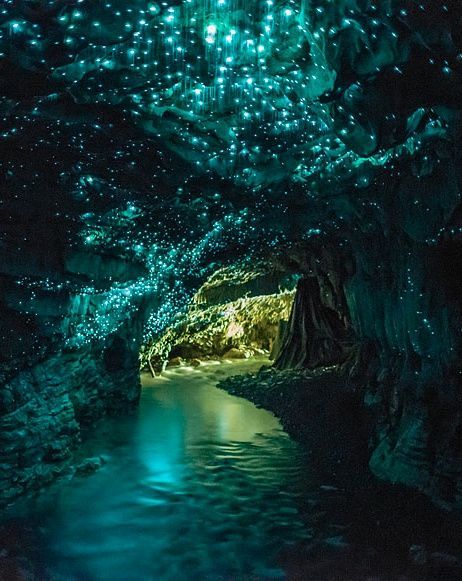
The Waitomo Glowworm Caves attraction is a cave at Waitomo on the North Island of New Zealand, known for its population of glowworms, Arachnocampa luminosa. This species is found exclusively in New Zealand. They are around the size of an average mosquito. This cave is part of the Waitomo Caves system that includes the Ruakuri Cave and the Aranui Cave.The attraction has a modern visitor centre at the entrance, largely designed in wood. There are organized tours that include a boat ride under the glowworms.

Source: Wiki 


La atracción de Waitomo Glowworm Caves es la cueva de Waitomo en la Isla Norte de Nueva Zelanda, conocida por su población de luciérnagas, Arachnocampa luminosa. Esta especie se encuentra exclusivamente en Nueva Zelanda. Tieben el tamaño de un mosquito. Esta cueva es parte del sistema de cuevas de Waitomo que incluye la Cueva Ruakuri y la atracción Aranui Cave. Cuenta con un moderno centro de visitantes en la entrada, en gran parte diseñada en madera. Hay tours organizados que incluyen un paseo en barco bajo las luciérnagas.


Fuente: wiki 
0 Comments

Echidnas

10/6/2014

0 Comments

 
Imagen
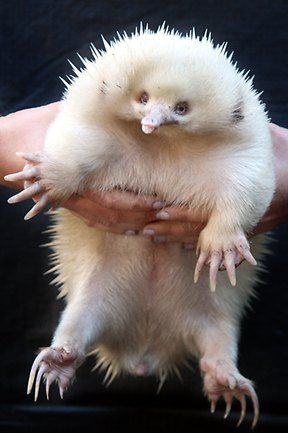
Leo the albino echidna at Symbio Wildlife Park in Sydney. ©Tracee Lea
Echidnas, sometimes known as spiny anteaters, are a type of egg-laying mammal. The four extant species, together with the platypus, are the only surviving members of that order and are the only extant mammals that lay eggs. Although their diet consists largely of ants and termites, they are no more closely related to the true anteaters of the Americas than to any other placental mammal. They live in Australia and New Guinea. 
0 Comments

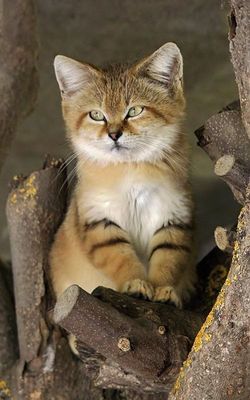
Felis margarita

10/5/2014

0 Comments

 
ImagenPhoto: Author Unknown


El gato de desierto o gato de arena, ( Felis margarita) es el único gato que vive en los desiertos. 

The desert cat aka sand cat, sand dune cat, (Felis margarita) is the only cat living foremost in true deserts.
0 Comments

Diphylleia grayi (Skeleton flower) 

10/5/2014

3 Comments

 
Imagen
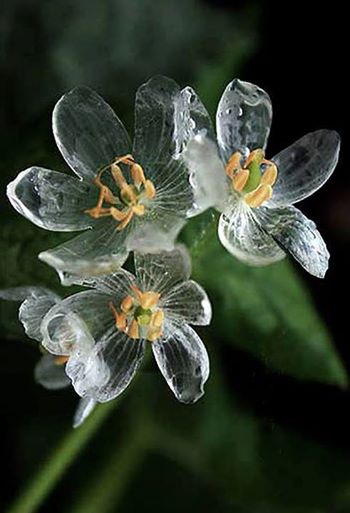
Diphylleia grayi (Skeleton flower) The petals turn transparent with the rain. 
Photo: ©Shougo Yokota

Diphylleia grayi (Flor esqueleto ) Los pétalos se vuelven transparentes con la lluvia. Foto: ©Shougo Yokota
3 Comments

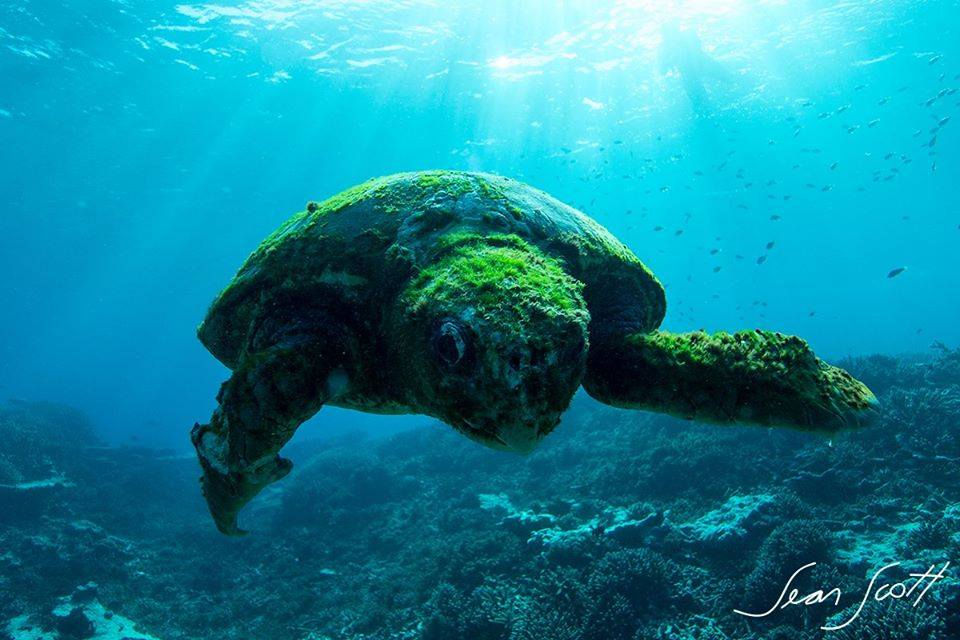
100 years old

10/5/2014

0 Comments

 
Imagen
Dicen que esta tortuga tiene más de 100 años, en la gran barrera de coral. 
Foto: © Sean Scott 

Turtle claimed to be over 100 years old, Southern Great Barrier Reef.
Photo: © Sean Scott
0 Comments

pygmy possum

10/5/2014

0 Comments

 
Imagen
Author: Unknown.
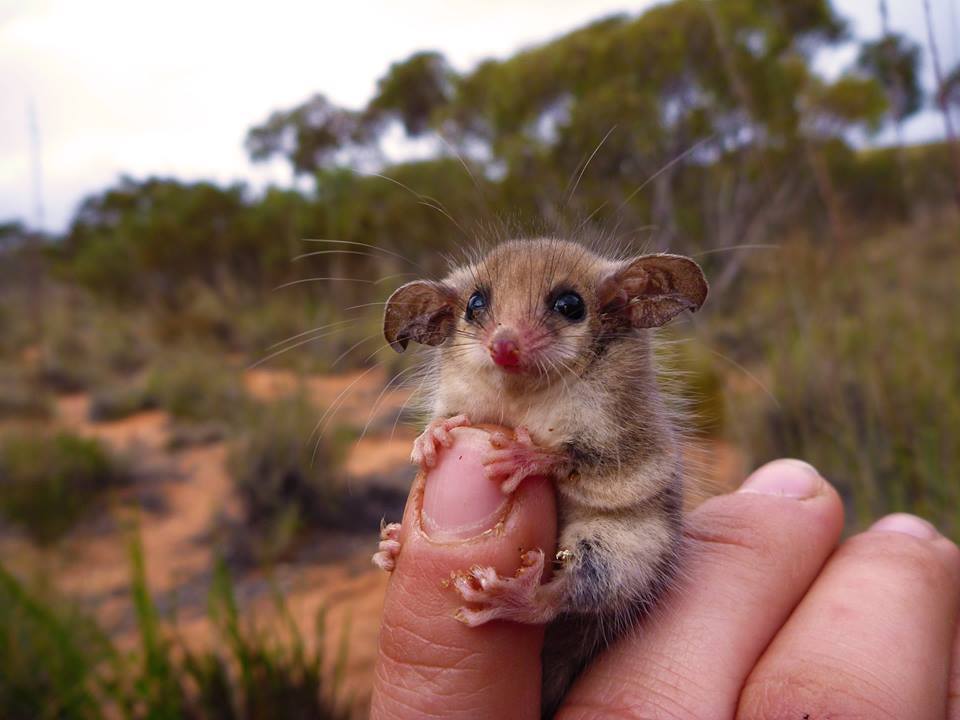
This is a western pygmy possum, native to Australia & is one of the largest species of pygmy possum in the world. 

Esta es una zarigüeya pigmea occidental, nativo de Australia y es una de las especies más grandes de zarigüeya pigmea en el mundo.
0 Comments

rana tigre

10/5/2014

0 Comments

 
Imagen
Author: Unknown.
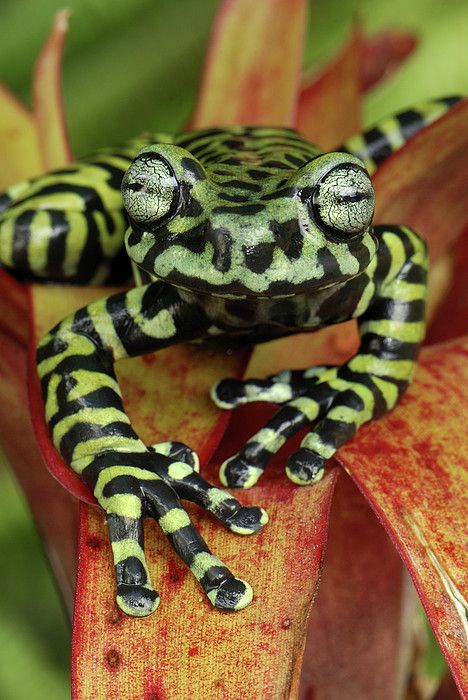
Rana tigre, sólo se conocen 12 ejemplares La especie Hyloscirtus tigrinus fue descrita muy recientemente, en 2008, por Jonh Jairo Mueses-Cisneros y Marvin Alfredo Anganoy-Criollo. 

Tiger frog, only 12 organism are known of Hyloscirtus tigrinus The species was recently described in 2008 by Jonh Jairo Mueses-Cisneros and Marvin Alfredo Anganoy-Criollo.
0 Comments

Magical mushrooms 

10/5/2014

0 Comments

 
Imagen
Author: Unknown .


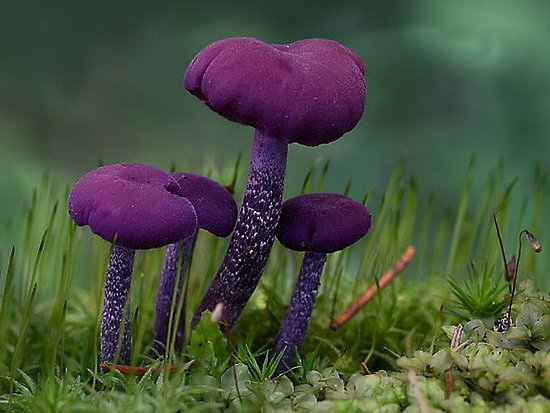
Laccaria amethystina, small brightly colored, edible mushroom, that grows in deciduous as well as coniferous forests.

Amethystina Laccaria, pequeña de colores brillantes, hongo comestible, que crece en bosques caducifolios y bosques de coníferas.


Imagen
Author: Unknown .
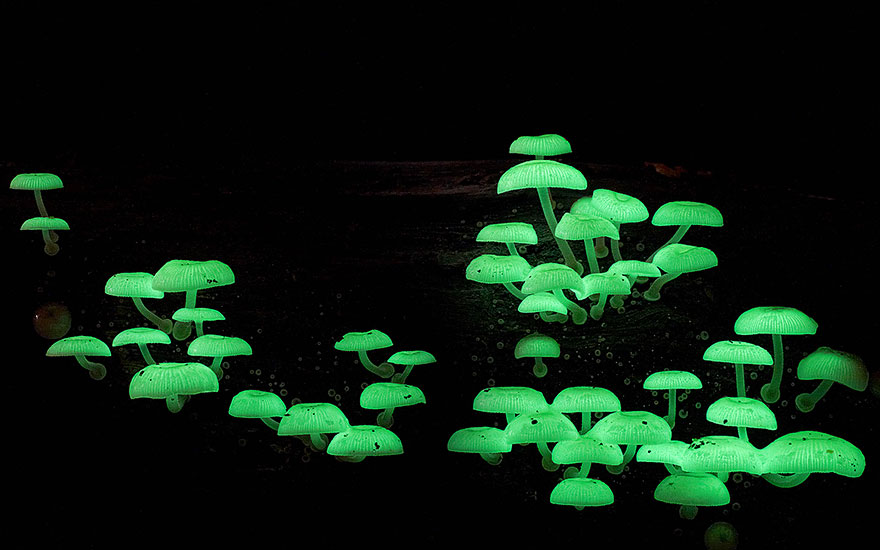
Mycena chlorophos, this bioluminescent mushroom is found in subtropical Asia, Australia, and Brazil.

Mycena chlorophos, hongo bioluminiscente encontrado en Asía subtropical, Australia y Brazil. 


Imagen
Author: Unknown .


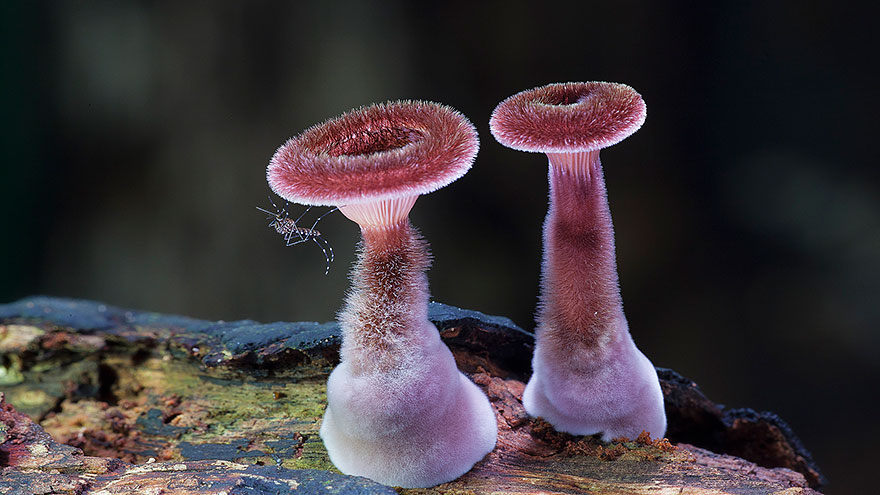
Panus fasciatus grows on dead wood, and is easily identificable by its hairy cap. 

Panus fasciatus crece en la madera muerta y es fácilmente identificable por su sombrero peludo ( pileo).
0 Comments

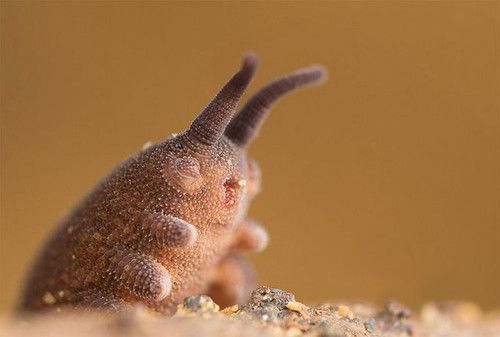
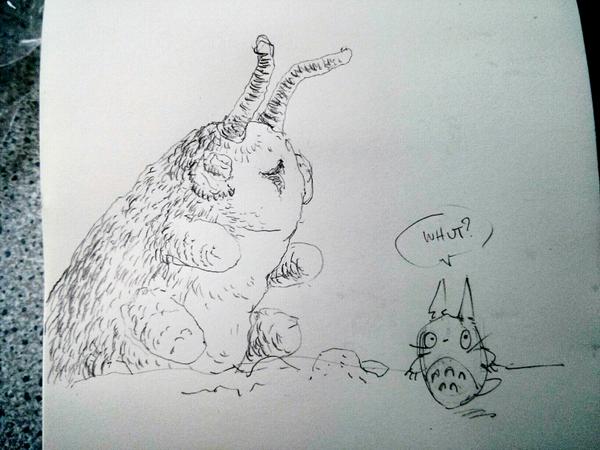
Eoperipatus totoro

10/5/2014

6 Comments

 
Imagen
© Nicky Bay
Imagen
© @its_monocat


Scientists named a newly discovered species of velvet worm the Eoperipatus totoro, on account of its resemblance to the multi-legged Catbus from "My Neighbour Totoro".


Los científicos denominaron a una especie recién descubierta de gusano terciopelo Eoperipatus totoro, a causa de su parecido con el Gatobús de "Mi vecino Totoro".
"Although representatives of Peripatidae are widely distributed in South-East Asia, only three valid species of Eoperipatus and one species of Typhloperipatus have been described from this region. According to previous reports, the three species of Eoperipatus show little morphological variation and are difficult to distinguish from each other. In this study, we describe a new species of Eoperipatus from Vietnam, E. totorosp. nov., using morphological (light and scanning electron microscopy) and molecular data (mitochondrial COI and 12S rRNA sequences). A comparison with specimens of an undescribed species of Eoperipatus from Thailand revealed novel species-specific characters, including the characteristics of male crural complexes, distinct types of scales on the ventral body surface, the inner structure of the circular pits on the male genital pad, and the position and size of the anal gland pads in males. The results of our molecular analyses correspond with those of morphological studies. In contrast to previous assumptions, our findings suggest a high diversity of the South-East Asian Peripatidae, which requires further exploration."


Paper link: http://www.sciencedirect.com/science/article/pii/S0044523113000028
6 Comments

Macropinna microstoma

10/2/2014

0 Comments

 
Imagen
Photo: Author unknown
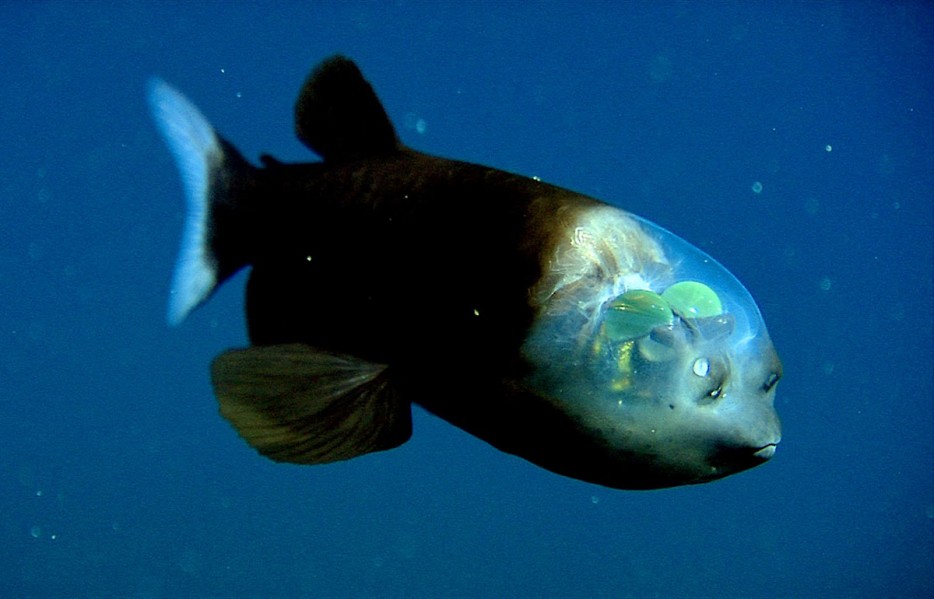
Macropinna microstoma belong to the Opisthoproctidae, the barreleye family. It is recognized for a highly unusual transparent, fluid-filled dome on its head, through which the lenses of its eyes can be seen. The eyes have a barrel shape and can be rotated to point either forward or straight up, looking through the fish's transparent dome. M. microstoma has a tiny mouth and most of its body is covered with large scales. The fish normally hangs nearly motionless in the water, at a depth of about 600 metres (2,000 ft) to 800 metres (2,600 ft), using its large fins for stability and with its eyes directed upward. In the low light conditions it is assumed the fish detects prey by its silhouette.

Source: Wiki. 

Macropinna microstoma pertenecen a la familia Opisthoproctidae. Es reconocido por una cúpula muy inusual transparente, lleno de líquido en su cabeza, a través del cual los lentes de sus ojos le permiten ver. Los ojos tienen forma de barril y se pueden girar para apuntar hacia adelante o hacia arriba, mirando a través de la cúpula transparente del pez. M. microstoma tiene una boca pequeña y la mayor parte de su cuerpo está cubierto de escamas grandes. Los peces normalmente cuelga casi inmóvil en el agua, a una profundidad de unos 600 metros (2.000 pies) a 800 metros (2.600 pies), utilizando sus grandes aletas para la estabilidad y con sus ojos dirigidos hacia arriba. En las condiciones de la luz se asume el pescado detecta a su presa por su silueta.

Fuente: Wiki. 


0 Comments
Forward>>

    Blog Archive
    ​
    This blog isn't active anymore
    ​Disclaimer

    All the pictures on this blog and social networks belong to their respective authors and proper credits are given. Photos are used for illustrative and educational purposes only.

    Todas las fotografías de este blog y redes sociales son propiedad de sus respectivos autores, se mencionan los respectivos créditos. Estas fotos son únicamente utilizadas con fines ilustrativos y educativos.


    Archives

    March 2019
    January 2019
    December 2018
    November 2018
    October 2018
    August 2018
    May 2018
    April 2018
    March 2018
    February 2018
    August 2017
    July 2017
    June 2017
    May 2017
    January 2017
    December 2016
    October 2016
    August 2016
    July 2016
    June 2016
    May 2016
    April 2016
    March 2016
    February 2016
    January 2016
    December 2015
    November 2015
    October 2015
    September 2015
    August 2015
    July 2015
    June 2015
    May 2015
    April 2015
    March 2015
    February 2015
    January 2015
    December 2014
    November 2014
    October 2014
    September 2014
    August 2014
    July 2014
    June 2014
    May 2014
    April 2014
    March 2014
    February 2014
    January 2014
    December 2013
    November 2013
    October 2013
    September 2013
    August 2013
    July 2013
    June 2013
    July 2012

    RSS Feed

Powered by Create your own unique website with customizable templates.
  • Home
  • About
  • Blog
  • Videos
  • Podcast
  • Support
  • Press
  • Contact