THE BIOLOGIST APPRENTICE
  • Home
  • About
  • Blog
  • Videos
  • Podcast
  • Support
  • Press
  • Contact

New Giant Tortoise Species Found on Galápagos Islands

12/20/2015

0 Comments

 
PHOTOGRAPH BY ADALGISA CACCONE
Picture
PHOTOGRAPH BY WASHINGTON TAPIA
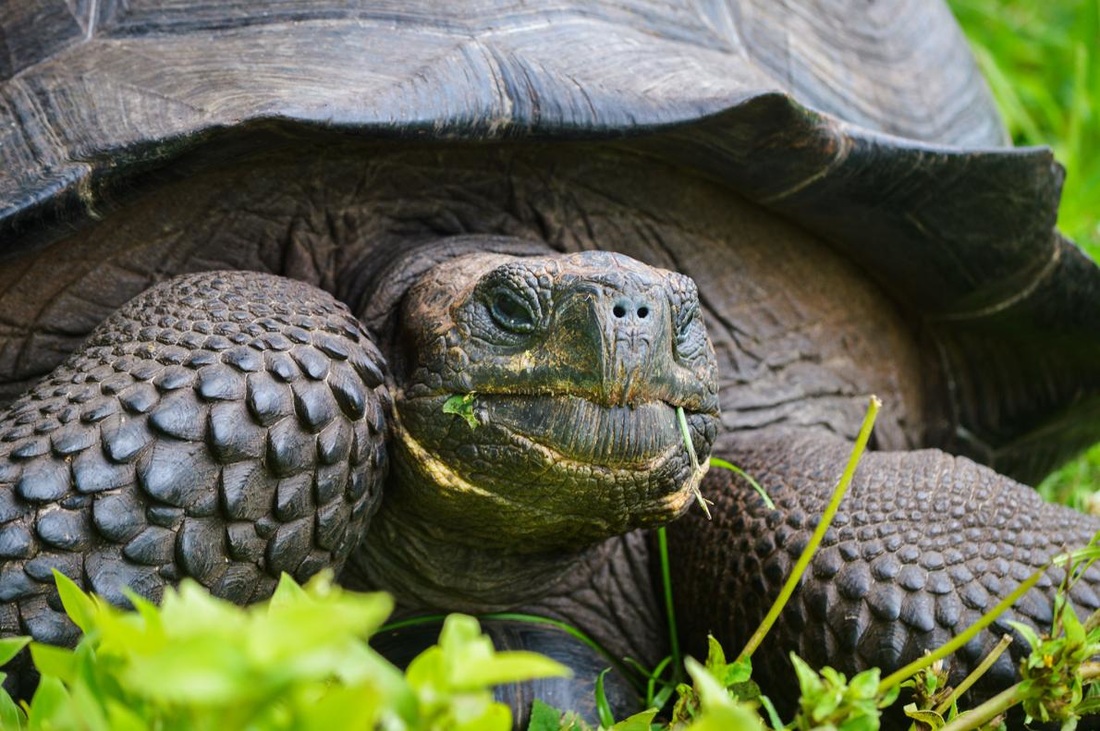
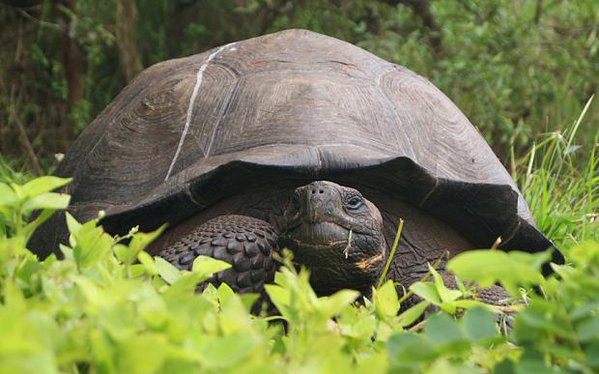
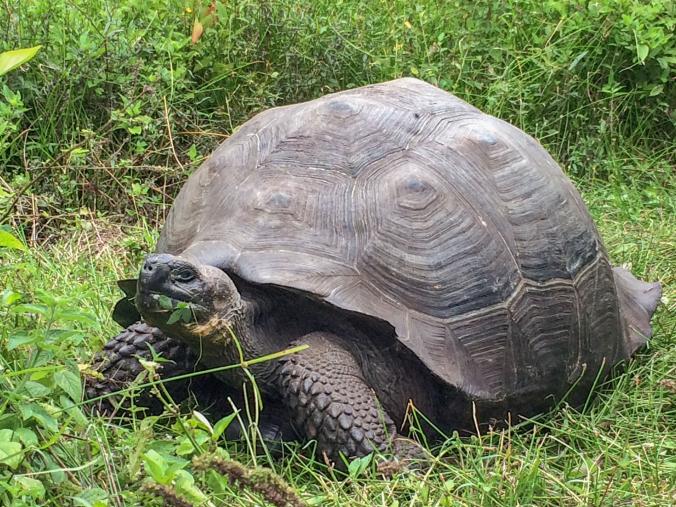
A new species of tortoise has been hiding in plain sight in the Galápagos. There are two populations of giant tortoises on the island of Santa Cruz: The ones that live on the island’s east side are known as the Cerro Fatal tortoises, and the ones in the west and southwest are called the Reserva tortoises. The two groups look so much alike that until recently they were considered the same species, Chelonoidis porteri.

When a research team led by Yale evolutionary biologist Adalgisa Caccone analyzed chunks of repetitive nuclear DNA and maternally inherited mitochondrial DNA from the two populations, they discovered that the smaller Cerro Fatal and larger Reserva populations were not only different species, but were more closely related to species on different islands than to each other. 

One of these two populations is a new, unnamed species. But which one? Caccone’s team traveled back in time, looking at older museum specimens, to figure out which population was the “new” species, and how to name it. These specimens included the so-called type specimen, collected in the early 1900s and considered to be the prime example of the C. porteri species. The genetic analysis revealed that the type specimen was a hybrid: It had Reserva tortoise nuclear DNA, but Cerro Fatal mitochondrial DNA.  

Caccone’s team published the species description Wednesday in the journal PLOS ONE.

Source: news.nationalgeographic.com

​
​Una nueva especie de tortuga se ha escondido a plena vista en las Galápagos. Hay dos poblaciones de tortugas gigantes en la isla de Santa Cruz: los que viven en el lado esta isla las conocen como las tortugas fatales , y los del oeste y suroeste las llaman tortugas Reserva. Los dos grupos se parecen tanto que hasta hace poco eran considerados de la misma especie, Chelonoidis porteri.

Cuando un equipo de investigación dirigido por la biólogo evolutivo Adalgisa Caccone de la Universidad de Yale, analizó pedazos de ADN nuclear y de ADN mitocondrial de las dos poblaciones, descubrieron que las poblaciones más pequeñas de Cerro fatales y las más grandes de las tortugas de reserva no sólo eran especies diferentes, pero estaban más estrechamente relacionados con especies en diferentes islas que entre sí.

Una de estas dos poblaciones es una nueva especie, sin nombre. ¿Pero cual? El equipo de Caccone viajó atrás en el tiempo, mirando a especímenes de museo de más edad, para averiguar qué población era la "nueva" especie, y cómo nombrarlo. Estas muestras incluyen a los llamados espécimen tipo, recogidos en el año 1900 y que se consideran el principal ejemplo de la especie C. porteri. El análisis genético reveló que el espécimen tipo era un híbrido: Tenía ADN nuclear de las tortugas de Reserva, pero ADN mitocondrial de las tortugas "Cerro".

El equipo de Caccone publicó la descripción de la especie miércoles en la revista PLoS ONE.

Fuente: news.nationalgeographic.com
0 Comments

Monumental Mural Depicting the Evolution of Birds

12/20/2015

0 Comments

 
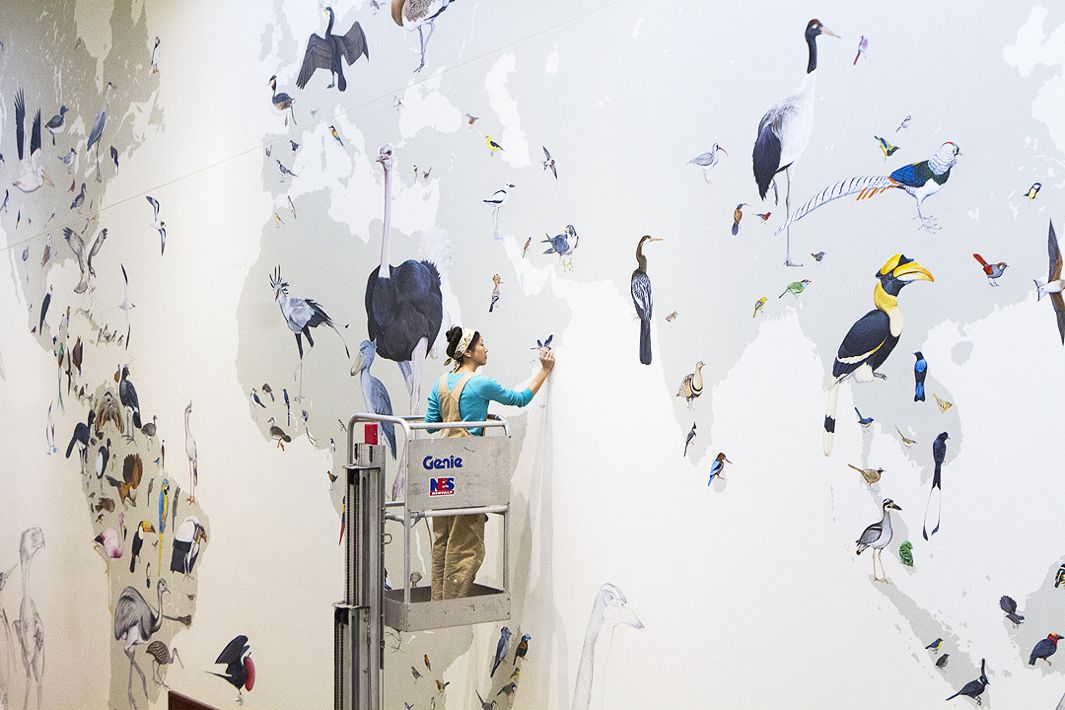
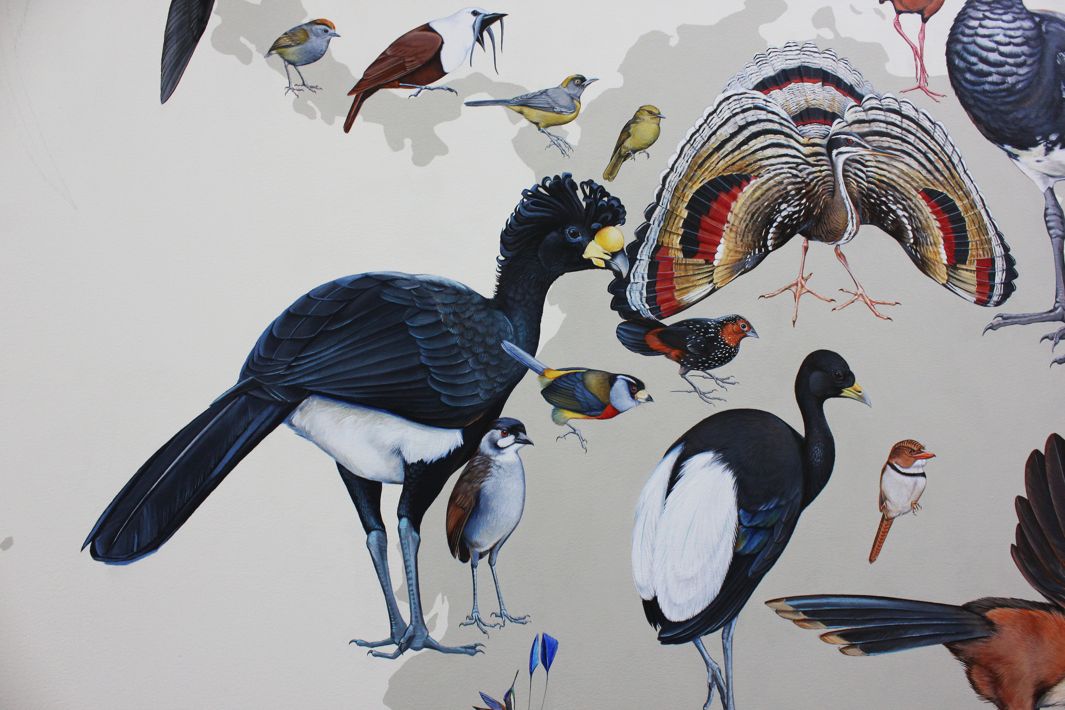
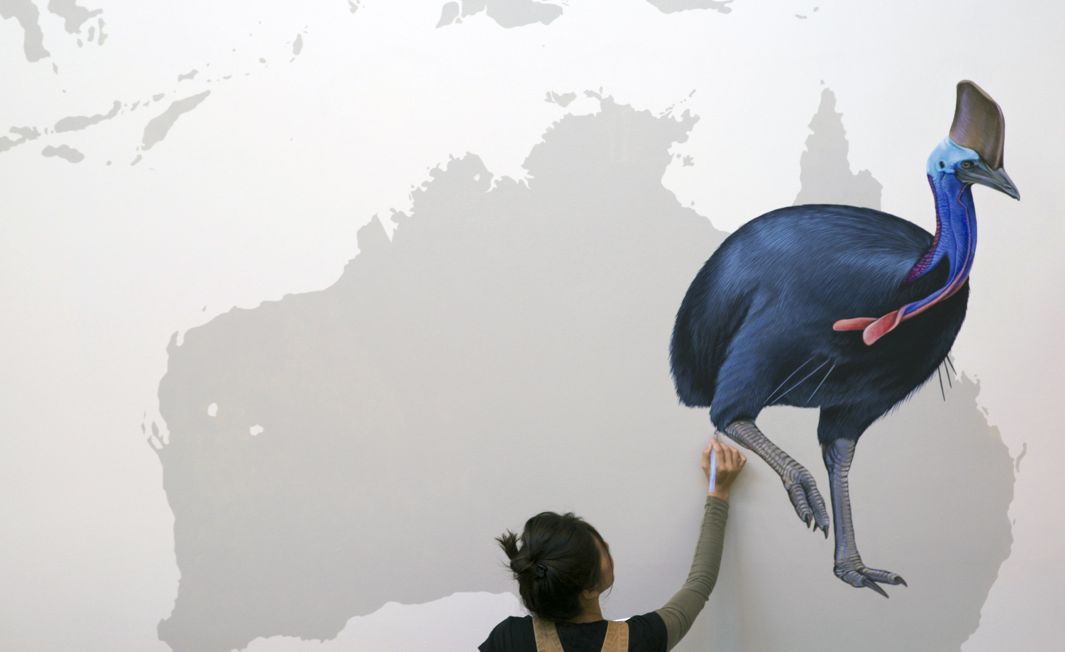
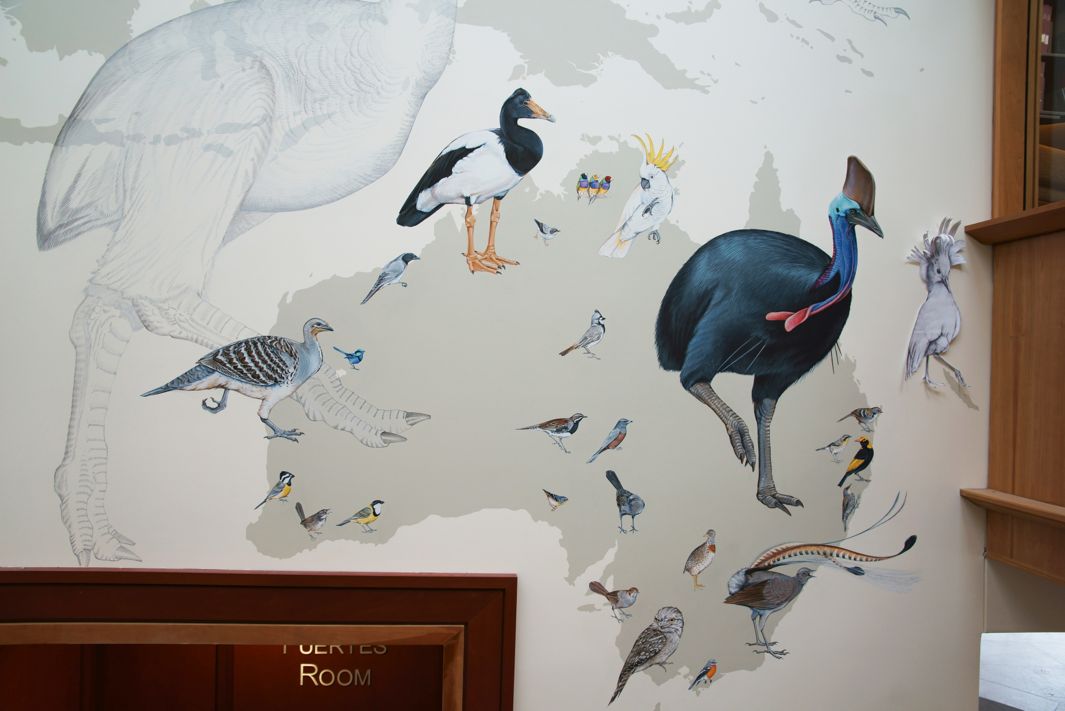
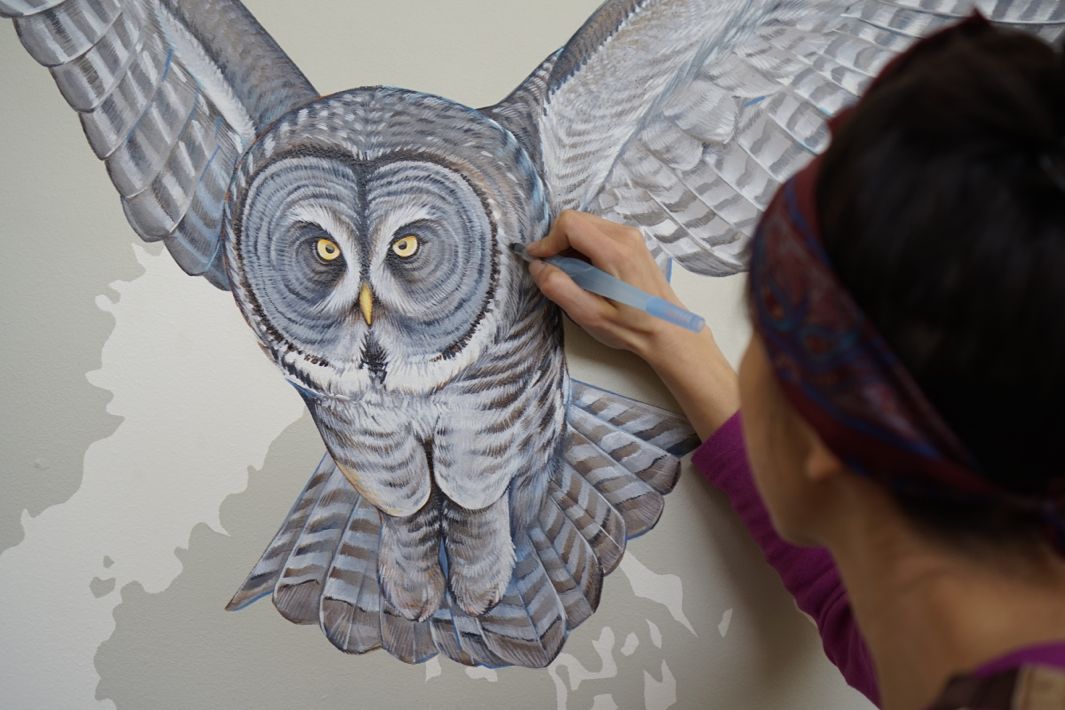
Artist Jane Kim has just completed painting a 3,000-square-foot mural on the wall of the Cornell Lab of Ornithology Visitor Center in Ithaca, New York, that depicts the evolution of birds.

The mural features winged representatives from each of the world’s 243 families of modern birds, painted to scale on a massive world map on the 70-foot by 40-foot wall. As well as birds, which evolved 150 million years ago, it also includes 27 dinosaurs and prehistoric beasts that are ancestors of birds. 

This Wall of Birds (whose official title is “From So Simple a Beginning: Celebrating the Evolution and Diversity of Birds”) is a commission to mark the 100-year anniversary of the Cornell Lab, one of the world’s leading ornithological institutes founded in 1915, where Kim worked as an intern in its scientific illustration program in 2011.
​
Kim, the founder of Ink Dwell studio (whose mission is “to inspire people to love and protect the Earth one work of art at a time”), and a team of seven helpers needed two and a half years to complete the piece, including 16 months on site. The artist claims the mural is the only one that depicts every bird family on Earth in one space.

​Source: ​www.slate.com

La artista Jane Kim acaba de terminar de pintar un mural de 3.000 pies cuadrados en la pared del Laboratorio de Ornitología de Cornell del Centro de Visitantes en Ithaca, Nueva York, que representa la evolución de las aves.

El mural cuenta con representantes de cada uno de las familias de todo el mundo, 243 familias de aves modernas, pintadas a escala en un mapa mundial masivo en una pared de 70 por 40 pies. No solo incluye a las aves que evolucionaron hace 150 millones de años, sino que también incluye 27 dinosaurios y animales prehistóricos que son ancestros de las aves.

Esta pared de las Aves (cuyo título oficial es "Desde un comienzo tan sencillo: Celebración de la Evolución y Diversidad de las Aves") es una comisión para conmemorar el 100 aniversario del Laboratorio en Cornell, uno de los principales institutos ornitológicos del mundo, fundado en 1915 , donde Kim trabajó como pasante en su programa de ilustración científica en 2011.

Kim, fundadora del estudio "Ink Dwell" (cuya misión es "inspirar a la gente a amar y proteger la Tierra, con una obra de arte a la vez"), y un equipo de siete ayudantes fueron necesarios y dos años y medio para completar la pieza, incluyendo 16 meses en el lugar. El artista afirma que el mural es la única que representa a todas las familias de aves en la Tierra en un solo espacio.

​Fuente: ​www.slate.com
0 Comments

    Blog Archive
    ​
    This blog isn't active anymore
    ​Disclaimer

    All the pictures on this blog and social networks belong to their respective authors and proper credits are given. Photos are used for illustrative and educational purposes only.

    Todas las fotografías de este blog y redes sociales son propiedad de sus respectivos autores, se mencionan los respectivos créditos. Estas fotos son únicamente utilizadas con fines ilustrativos y educativos.


    Archives

    March 2019
    January 2019
    December 2018
    November 2018
    October 2018
    August 2018
    May 2018
    April 2018
    March 2018
    February 2018
    August 2017
    July 2017
    June 2017
    May 2017
    January 2017
    December 2016
    October 2016
    August 2016
    July 2016
    June 2016
    May 2016
    April 2016
    March 2016
    February 2016
    January 2016
    December 2015
    November 2015
    October 2015
    September 2015
    August 2015
    July 2015
    June 2015
    May 2015
    April 2015
    March 2015
    February 2015
    January 2015
    December 2014
    November 2014
    October 2014
    September 2014
    August 2014
    July 2014
    June 2014
    May 2014
    April 2014
    March 2014
    February 2014
    January 2014
    December 2013
    November 2013
    October 2013
    September 2013
    August 2013
    July 2013
    June 2013
    July 2012

    RSS Feed

Powered by Create your own unique website with customizable templates.
  • Home
  • About
  • Blog
  • Videos
  • Podcast
  • Support
  • Press
  • Contact