THE BIOLOGIST APPRENTICE
  • Home
  • About
  • Blog
  • Videos
  • Podcast
  • Support
  • Press
  • Contact

New Whale Species ?

4/20/2015

0 Comments

 
Imagen
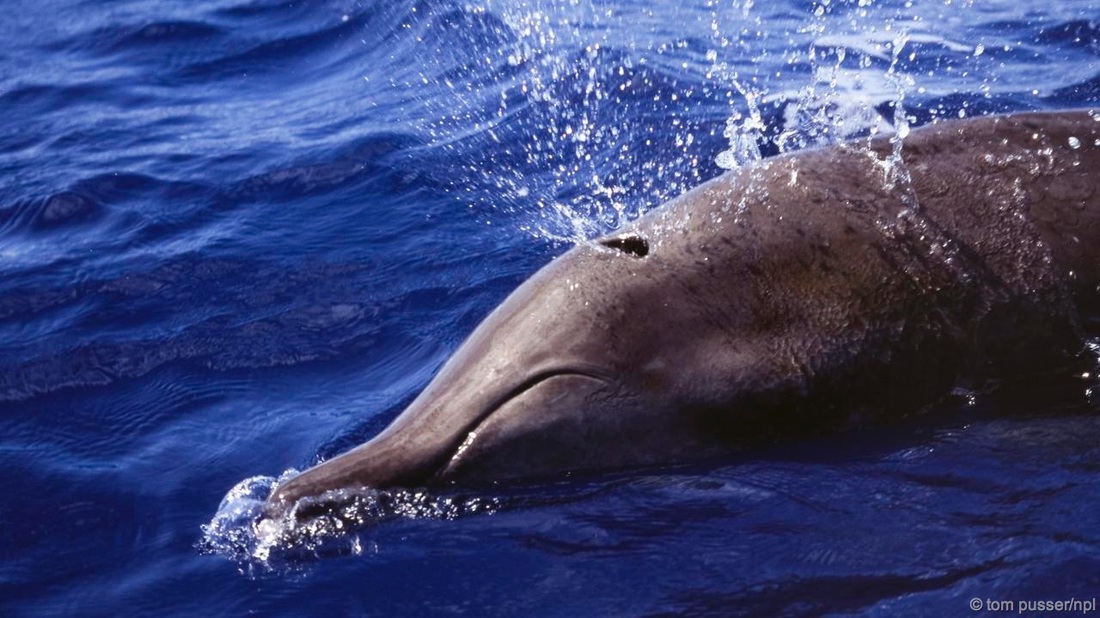
Beaked whales aren't often sighted (credit: Tom Pusser/NPL)
Imagen
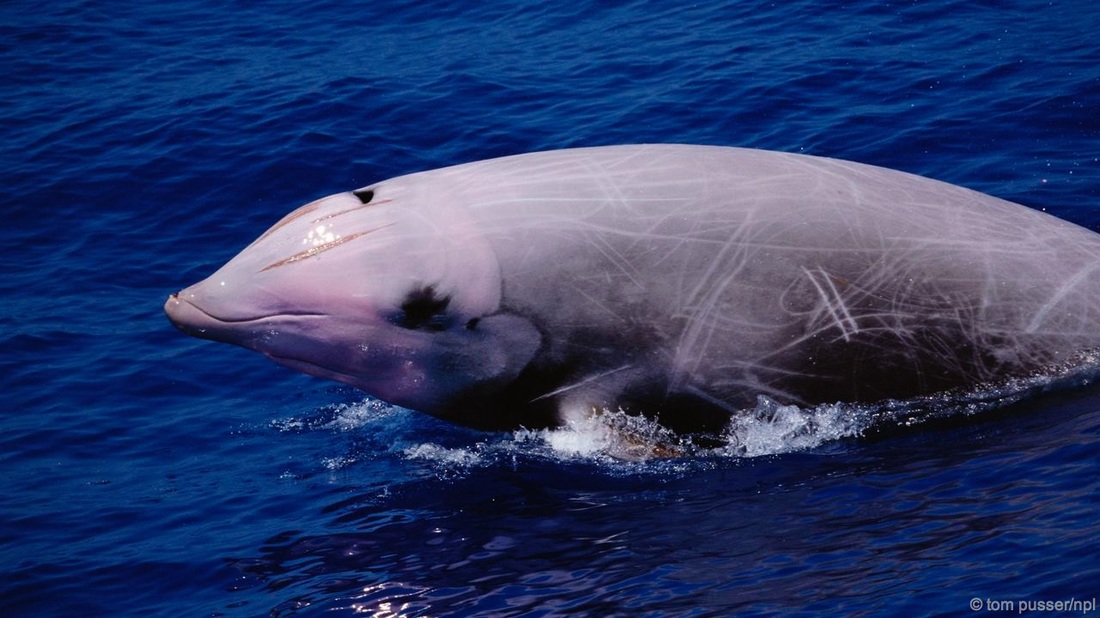
Cuvier's beaked whales are ruled out as the source of the sounds (credit: Tom Pusser/NPL)
A unique whale song is recorded in Antarctica, perhaps a new species of whale may be cruising the icy cold waters of the Antarctic. Evidence for the species is tantalising, rather than strong, as the song could be from one of a few known species of beaked whale.

But it has a structure that doesn’t quite fit any known beaked whales; leaving open the possibility it is from a new species.

Although beaked whales comprise the second-largest family of cetaceans (the group containing whales and dolphins), they are one of the most poorly known groups of all large mammals.

Last year, Deraniyagala‘s beaked whale was confirmed as a new species, bringing the total known to 22.

All beaked whales are extremely elusive, diving deeply and spending very little time at the surface. That makes them difficult to spot. However, they do produce unique sounds that they use to echolocate in the depths, sounds that scientists can use to track and record their movements.


Source: bbc.com

Open access 
Journal of Marine Mammal Science.

Un canto de ballena único se registró en la Antártida, tal vez una nueva especie de ballena puede estar cruzando las aguas heladas de la Antártida. La evidencia de la especie es tentadora, más que fuerte, la canción podría ser de una de las pocas especies conocidas de ballenato de Cuvier (zifios).

Pero tiene una estructura que no acaba de encajar con ninguno de los zifios conocidos; dejando abierta la posibilidad es de una nueva especie.

Aunque los zifios comprenden el segundo mayor de la familia de los cetáceos (el grupo que contiene las ballenas y los delfines), que son uno de los grupos más poco conocidas de todos los grandes mamíferos.

El año pasado, el zifio de Deraniyagala se confirmó como una nueva especie, con lo que el total conocido es de 22.

Todos los zifios son extremadamente difícil de observar, son de buceo profundo y pasan muy poco tiempo en la superficie. Eso los hace difíciles de detectar. Sin embargo, sí producen sonidos únicos que utilizan para ecolocalizar en las profundidades, los sonidos que los científicos pueden utilizar para realizar un seguimiento y registrar sus movimientos.

Fuente: bbc.com 
0 Comments


Leave a Reply.

    Blog Archive
    ​
    This blog isn't active anymore
    ​Disclaimer

    All the pictures on this blog and social networks belong to their respective authors and proper credits are given. Photos are used for illustrative and educational purposes only.

    Todas las fotografías de este blog y redes sociales son propiedad de sus respectivos autores, se mencionan los respectivos créditos. Estas fotos son únicamente utilizadas con fines ilustrativos y educativos.


    Archives

    March 2019
    January 2019
    December 2018
    November 2018
    October 2018
    August 2018
    May 2018
    April 2018
    March 2018
    February 2018
    August 2017
    July 2017
    June 2017
    May 2017
    January 2017
    December 2016
    October 2016
    August 2016
    July 2016
    June 2016
    May 2016
    April 2016
    March 2016
    February 2016
    January 2016
    December 2015
    November 2015
    October 2015
    September 2015
    August 2015
    July 2015
    June 2015
    May 2015
    April 2015
    March 2015
    February 2015
    January 2015
    December 2014
    November 2014
    October 2014
    September 2014
    August 2014
    July 2014
    June 2014
    May 2014
    April 2014
    March 2014
    February 2014
    January 2014
    December 2013
    November 2013
    October 2013
    September 2013
    August 2013
    July 2013
    June 2013
    July 2012

    RSS Feed

Powered by Create your own unique website with customizable templates.
  • Home
  • About
  • Blog
  • Videos
  • Podcast
  • Support
  • Press
  • Contact
