THE BIOLOGIST APPRENTICE
  • Home
  • About
  • Blog
  • Videos
  • Podcast
  • Support
  • Press
  • Contact

Glowing green larvae

5/8/2015

0 Comments

 
Photos: © Jeff Cremer
Los animales que producen y emiten su propia luz han sido de gran interés para los biólogos y químicos, y casi cualquier amante de la naturaleza que ha tenido el privilegio de encontrarse con una de las muchas criaturas que brillan intensamente por ahí.

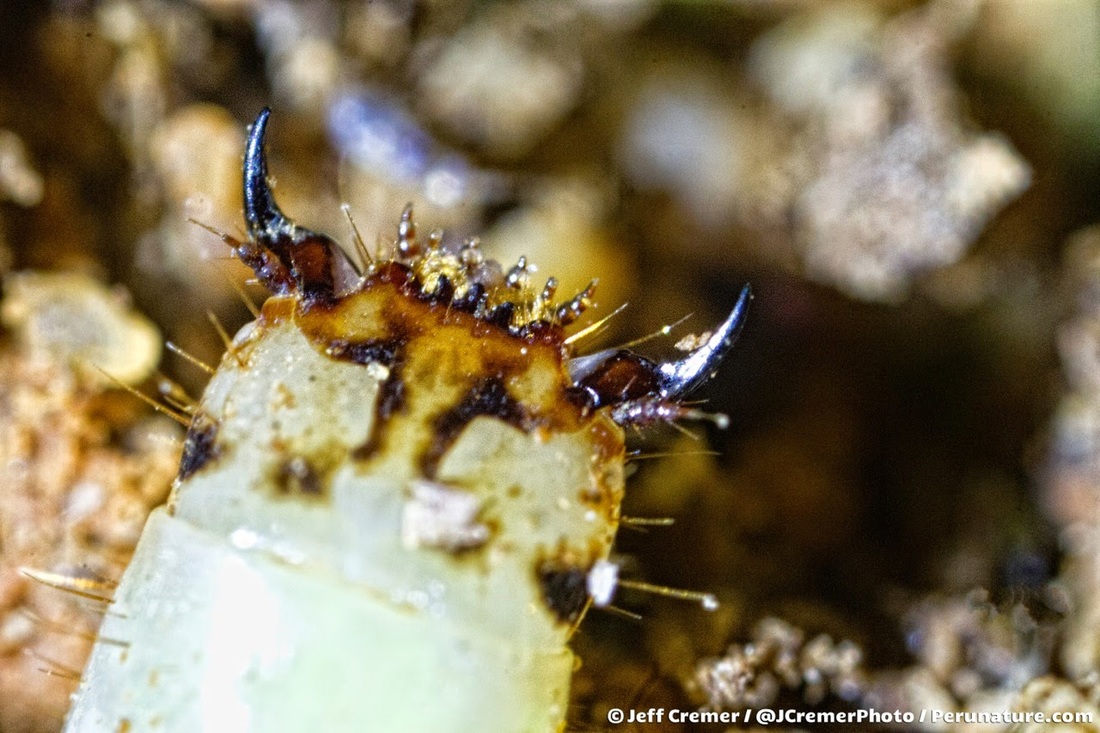
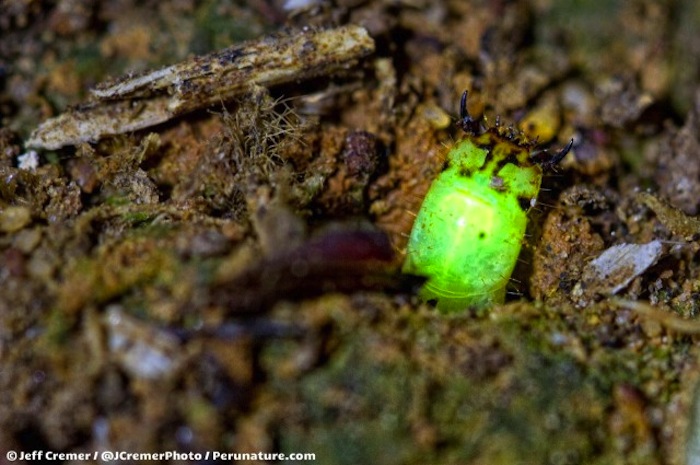
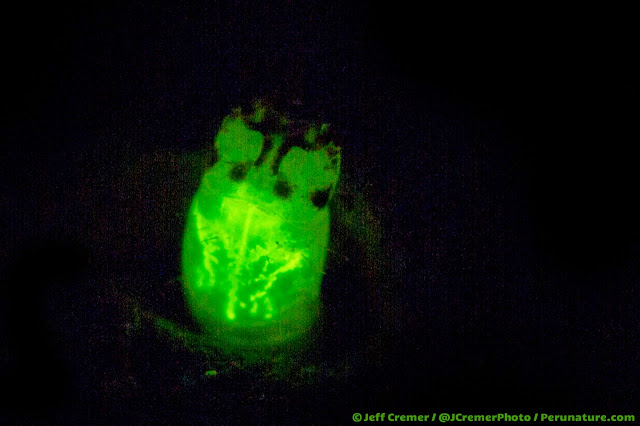
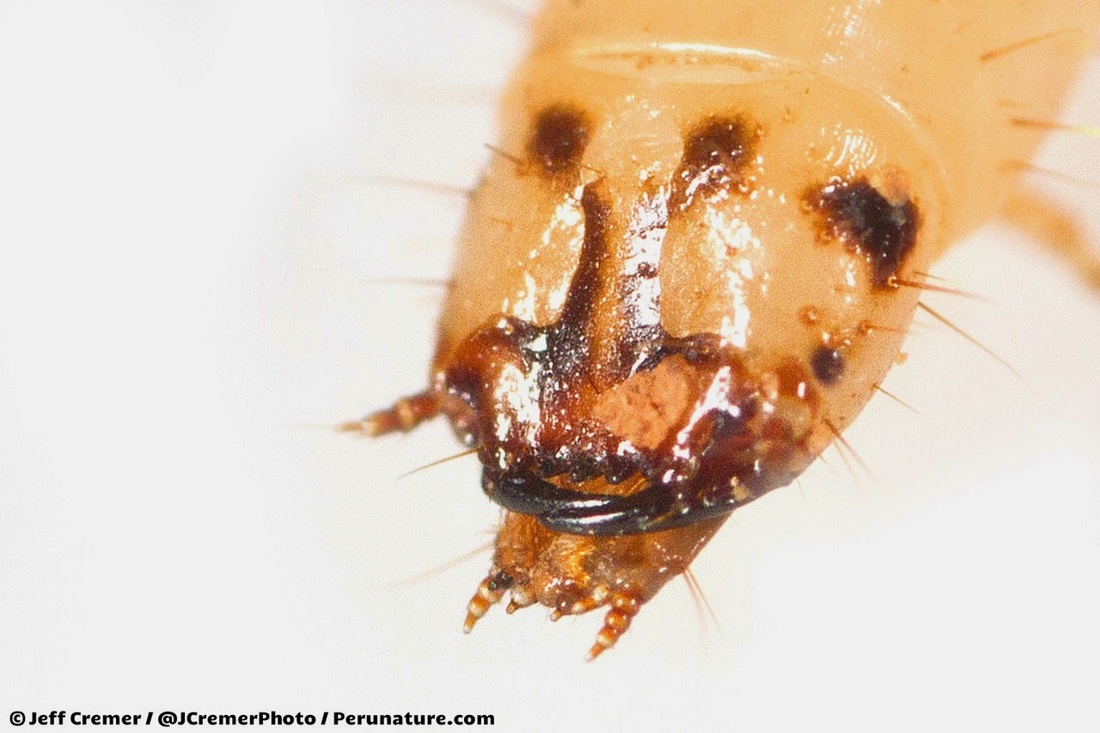
Estas larvas pegan sus cabezas brillantes a la tierra con sus mandíbulas extendidos. Esto inmediatamente alertó a los entomólogos lo que parecía ser una estrategia depredadora de sentarse y esperar, o de emboscada. La producción de luz en estos gusanos brillantes es probablemente debido a una molécula conocida como luciferina, que es también el compuesto que muchas especies de luciérnaga utilizan para emitir luz.

Los científicos creen que  éstos pertenecen a una familia de escarabajos llamada Elateridae, que se conocen comúnmente como "click beetles". Pero más allá de eso, no estamos del todo seguro de qué especie se trata o si han sido pero descritas (tal vez a través del poder de la internet podemos obtener una respuesta). La familia Elateridae es muy grande, con alrededor de 10.000 especies descritas en el mundo y sólo alrededor de 200 especies han sido documentados para mostrar bioluminiscencia

Fuente:
blog.perunature.com
Animals that produce and emit their own light have been of great interest to biologists, chemists, and pretty much any nature lover who has had the privilege of encountering one of the many glowing critters out there. 

These larvae are sticking their glowing heads out of the dirt wall with their freakish looking mandibles outstretched. This immediately tipped off the entomologists that this appeared to be a sit-and-wait, or ambush, predatory strategy. The light production in these glow worms is likely due to a molecule known as Luciferin, which is also the compound that many firefly species use to emit light.

Scientist believe these belong to a family of beetles called Elateridae, which are commonly known as click beetles. But beyond that, we are not entirely sure what species this is or if it has been described yet (perhaps through the power of the internet we can get an answer). Elateridae is a very large family with around 10,000 described species in the world and only about 200 species have been documented to display bioluminescence


Source:
blog.perunature.com
0 Comments


Leave a Reply.

    Blog Archive
    ​
    This blog isn't active anymore
    ​Disclaimer

    All the pictures on this blog and social networks belong to their respective authors and proper credits are given. Photos are used for illustrative and educational purposes only.

    Todas las fotografías de este blog y redes sociales son propiedad de sus respectivos autores, se mencionan los respectivos créditos. Estas fotos son únicamente utilizadas con fines ilustrativos y educativos.


    Archives

    March 2019
    January 2019
    December 2018
    November 2018
    October 2018
    August 2018
    May 2018
    April 2018
    March 2018
    February 2018
    August 2017
    July 2017
    June 2017
    May 2017
    January 2017
    December 2016
    October 2016
    August 2016
    July 2016
    June 2016
    May 2016
    April 2016
    March 2016
    February 2016
    January 2016
    December 2015
    November 2015
    October 2015
    September 2015
    August 2015
    July 2015
    June 2015
    May 2015
    April 2015
    March 2015
    February 2015
    January 2015
    December 2014
    November 2014
    October 2014
    September 2014
    August 2014
    July 2014
    June 2014
    May 2014
    April 2014
    March 2014
    February 2014
    January 2014
    December 2013
    November 2013
    October 2013
    September 2013
    August 2013
    July 2013
    June 2013
    July 2012

    RSS Feed

Powered by Create your own unique website with customizable templates.
  • Home
  • About
  • Blog
  • Videos
  • Podcast
  • Support
  • Press
  • Contact