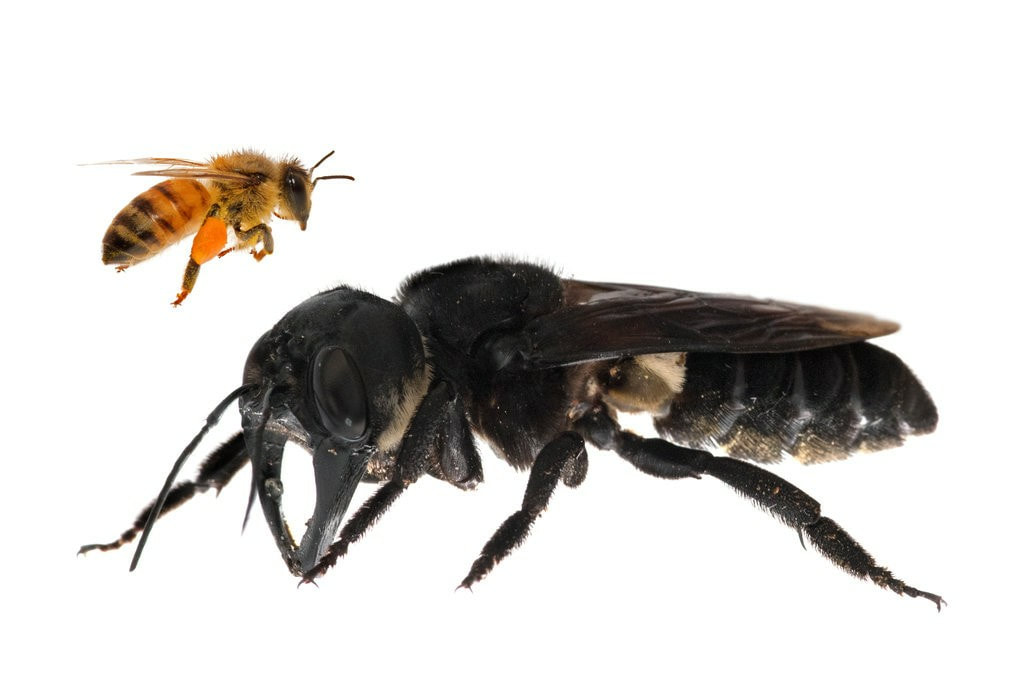
 Wallace’s giant bee. Credit: Clay Bolt It’s been 38 years since scientists last spotted the insect known as Wallace’s Giant Bee, a rare species found only in a group of Indonesian islands called the North Moluccas. With a wingspan of 2.5 inches and a body the size of a human thumb, it’s considered the world’s largest bee, and was feared extinct. In January, an international team of conservationists found a Megachile pluto, as the species is called, in the wild. The team captured the first-ever photos and videos of a live specimen, renewing hope for survival of the species, which is threatened by deforestation. Source: www.nytimes.com Han pasado 38 años desde que los científicos descubrieron por última vez a la abeja gigante de Wallace, una especie rara que se encuentra solo en un grupo de islas indonesias llamadas Molucas del Norte. Con una envergadura de 2,5 pulgadas y un cuerpo del tamaño de un pulgar humano, se considera la abeja más grande del mundo y se temía que se hubiera extinguido.
En enero, un equipo internacional de conservacionistas encontró a Megachile pluto, como se le llama a la especie. El equipo capturó las primeras fotos y videos de un espécimen vivo, renovando la esperanza de supervivencia de la especie, que está amenazada por la deforestación. Fuente: www.nytimes.com
0 Comments
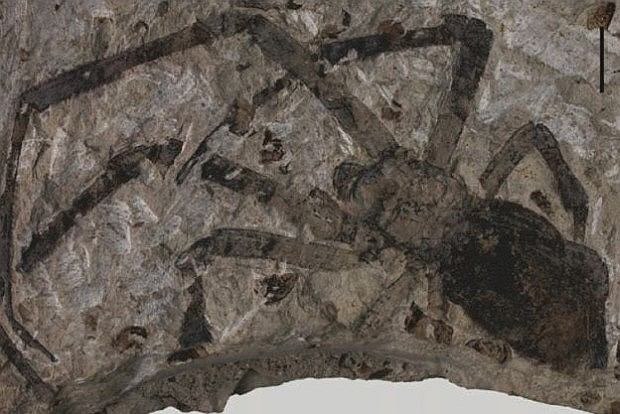 Credit: Paul A. Selden The Spidersaur (Nephila jurassica), the largest ever fossil of a prehistoric spider which was weaving webs when dinosaurs ruled the Earth. Its fossilized features have been so perfectly preserved from 165 million years ago. Source: royalsocietypublishing.org El Spidersaur (Nephila jurassica), el fósil más grande de una araña prehistórica que estaba tejiendo su telaraña cuando los dinosaurios dominaban la Tierra. Sus rasgos fosilizados se han conservado perfectamente desde hace 165 millones de años. .
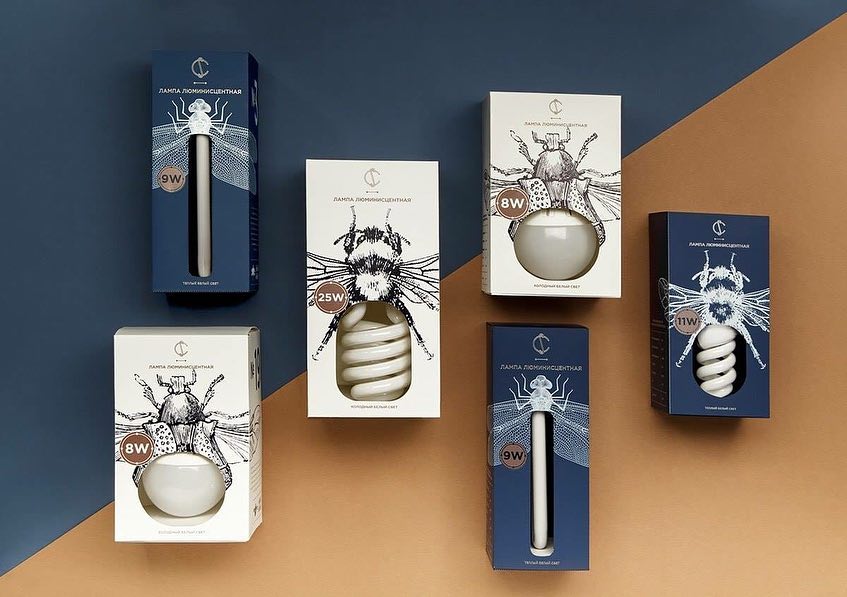
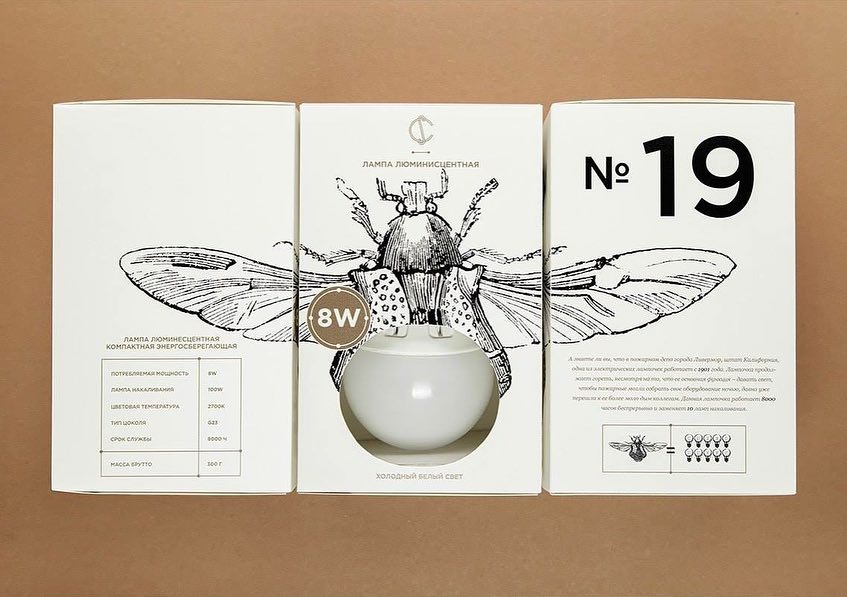
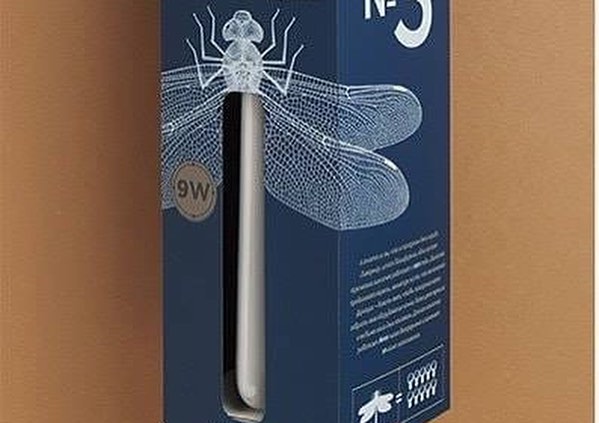
Fuente: royalsocietypublishing.org Belarusian Graphic designer Angelina Pischikova has created an insect-inspired collection of packaging for the CrazyService Electric Group. La diseñadora gráfica bielorrusa Angelina Pischikova ha creado una colección de envases inspirada en insectos para el Grupo CrazyService Electric.
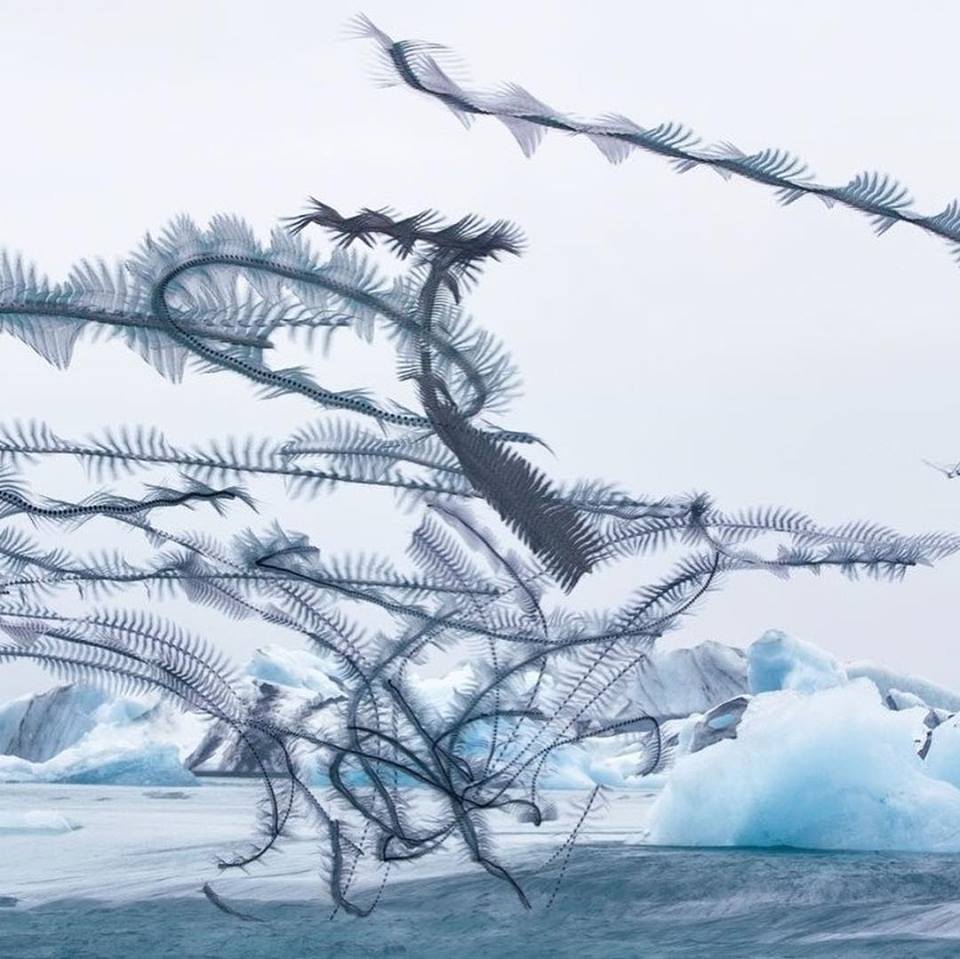
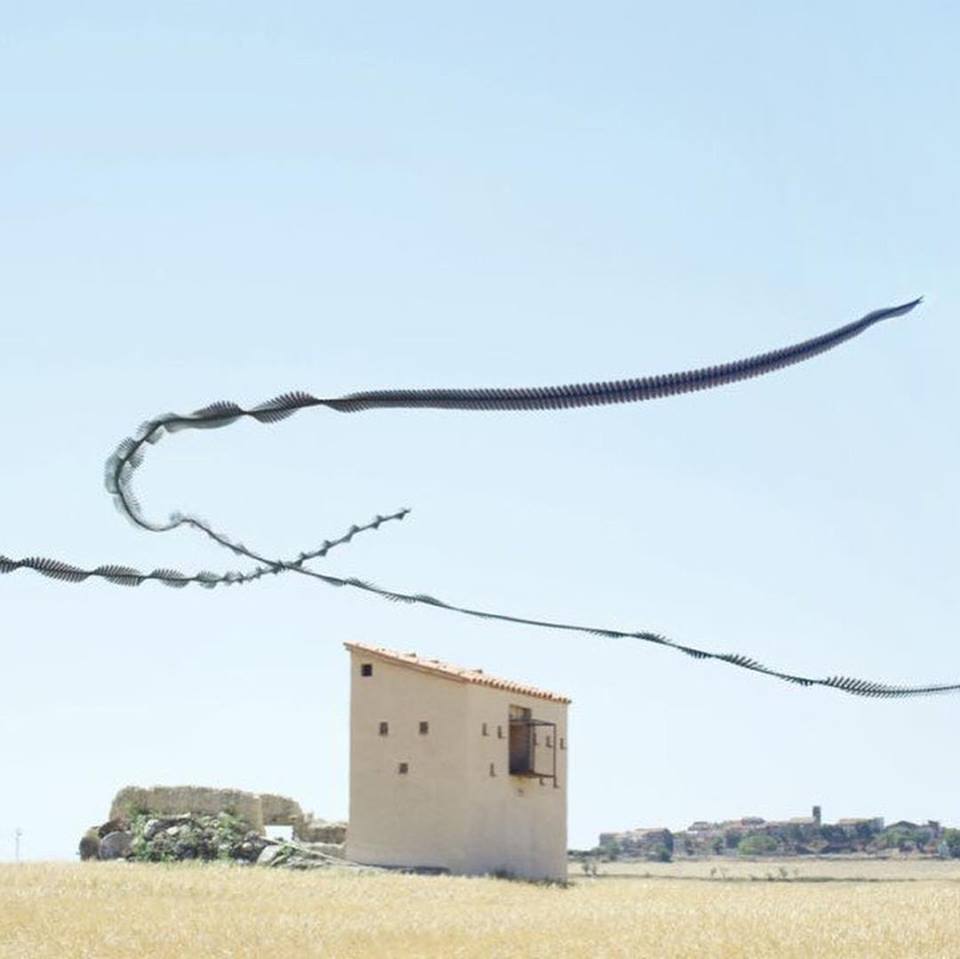
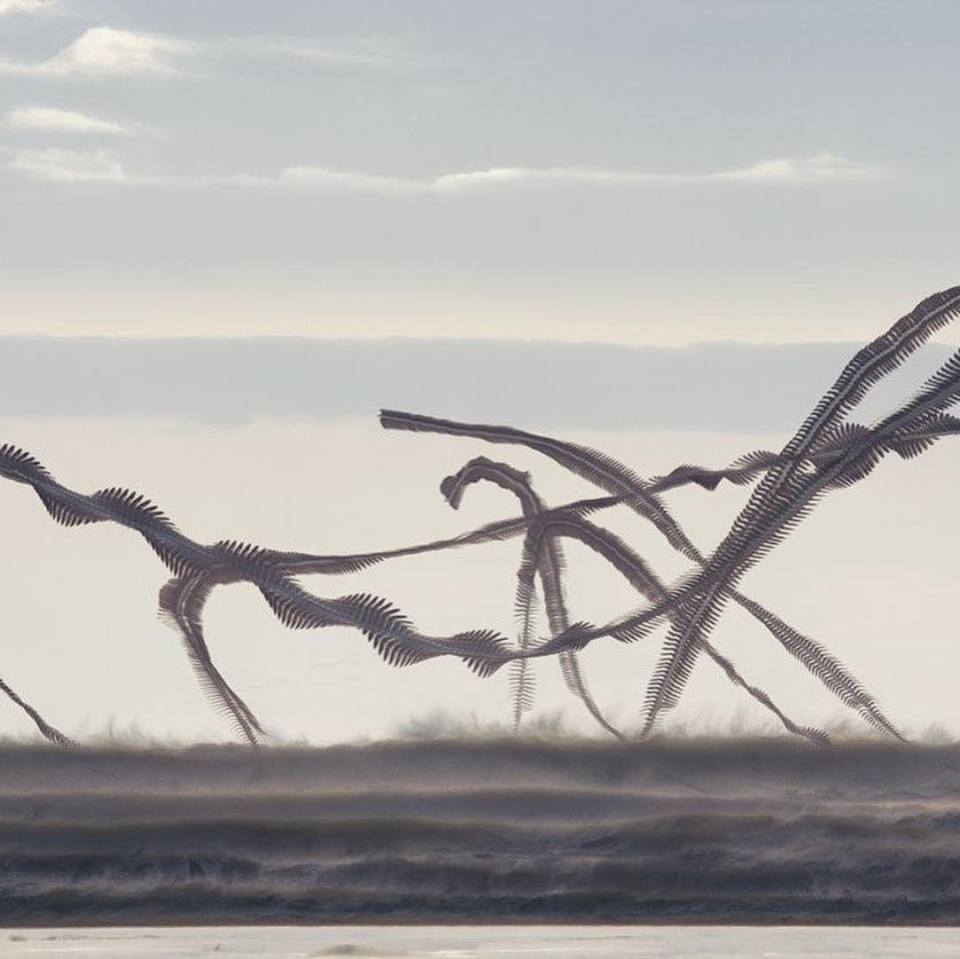
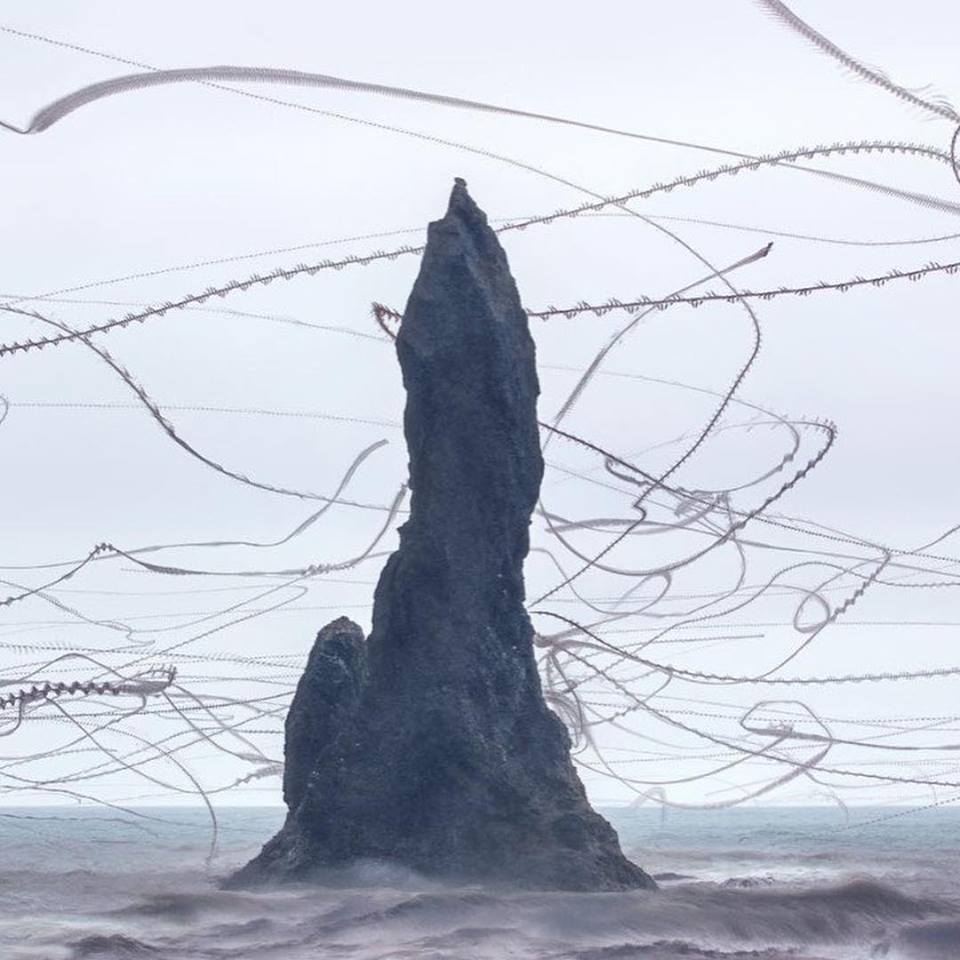
Xavi Bou tracks and records the flight patterns of birds for his series Ornitographies. The images are inspired by chronophotography, a method that combined multiple images to create movement, and edited digitally in Photoshop Source: xavibou.com Xavi Bou rastrea y graba los patrones de vuelo de las aves para su serie "Ornitographies". Las imágenes se inspiran en la cronofotografía, un método que combina múltiples imágenes para crear movimiento, y posteriormente las imágenes son editadas digitalmente en Photoshop
Fuentes: xavibou.com
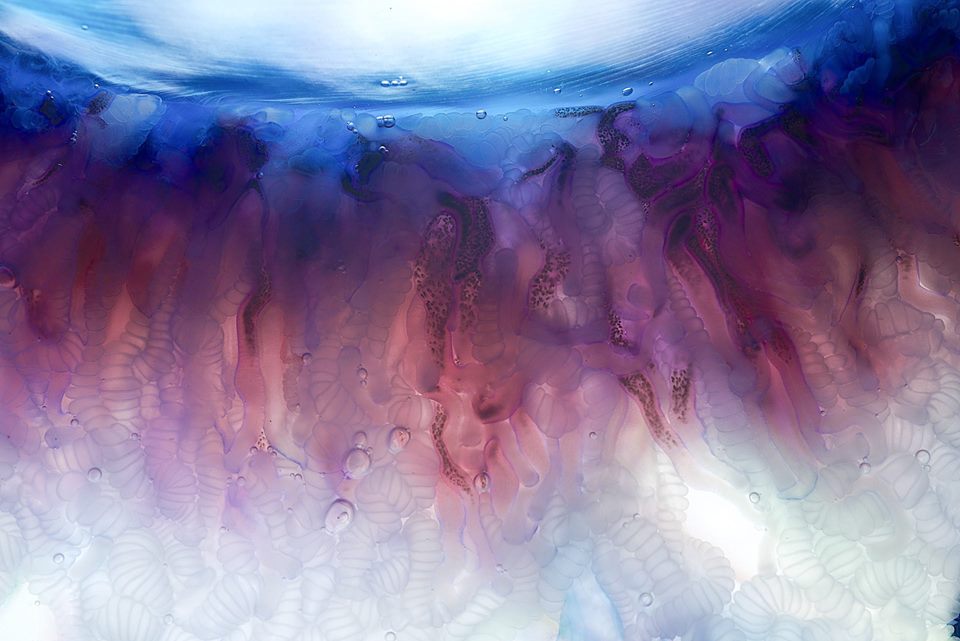
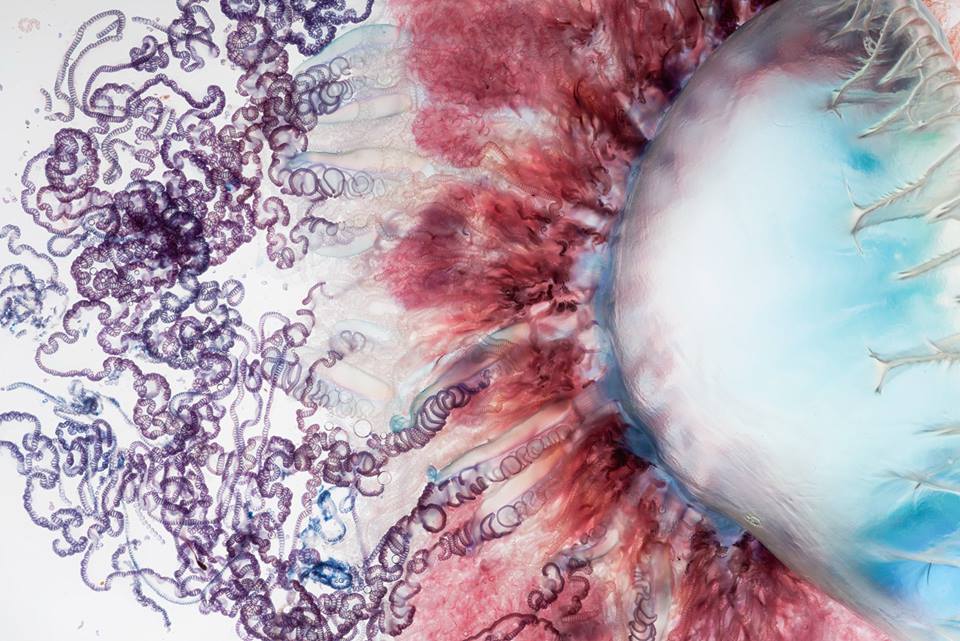
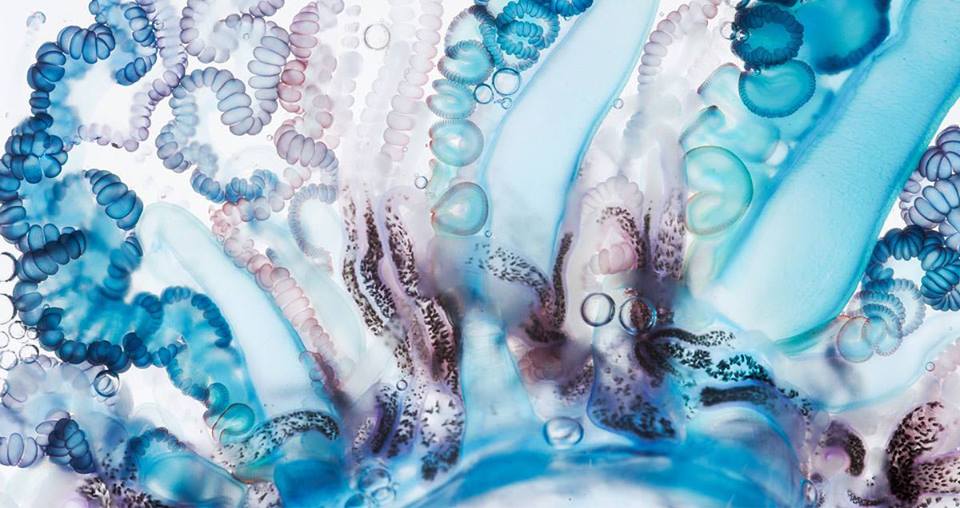
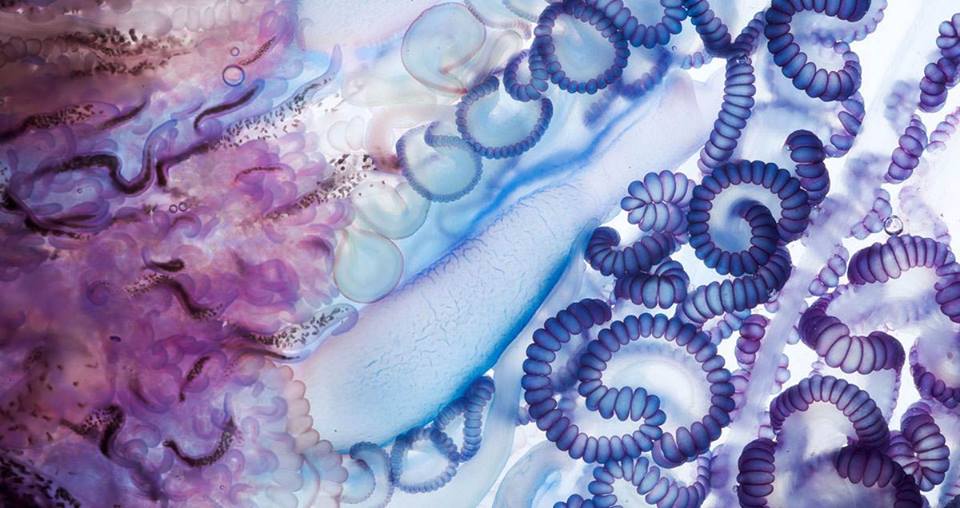
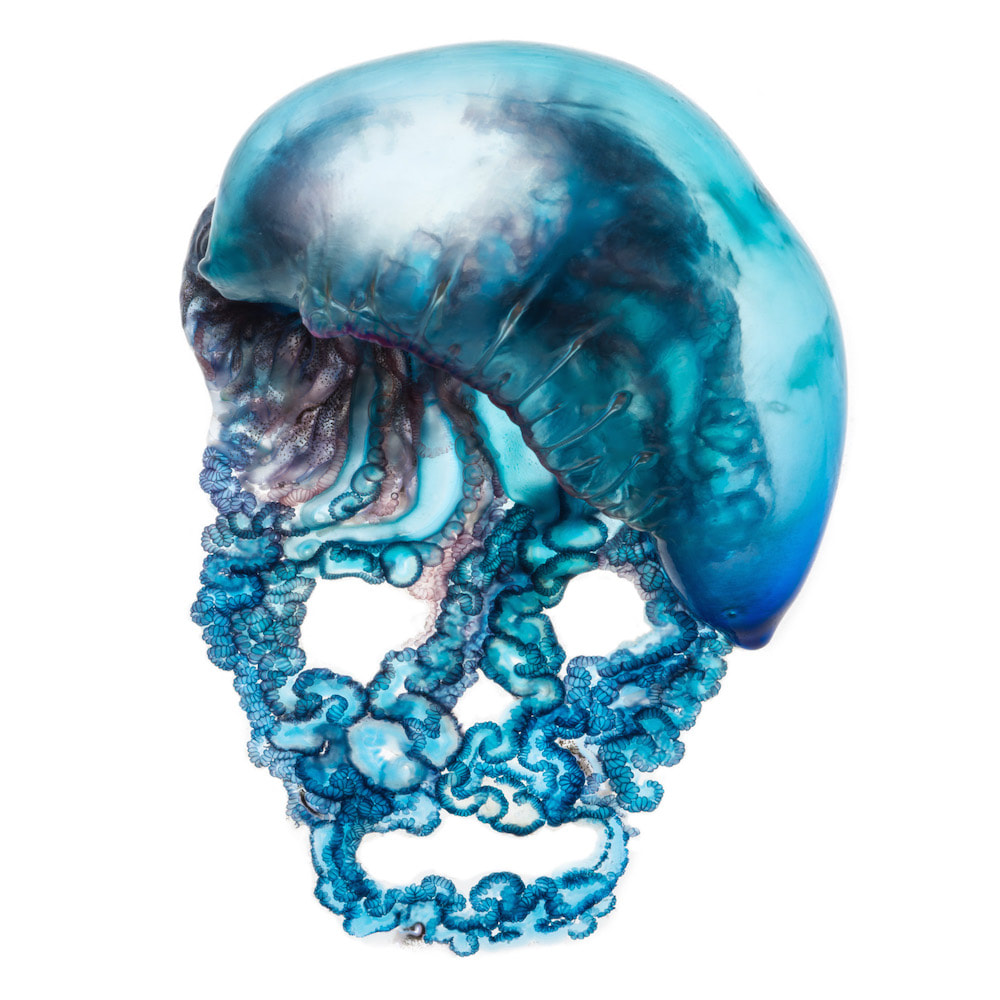
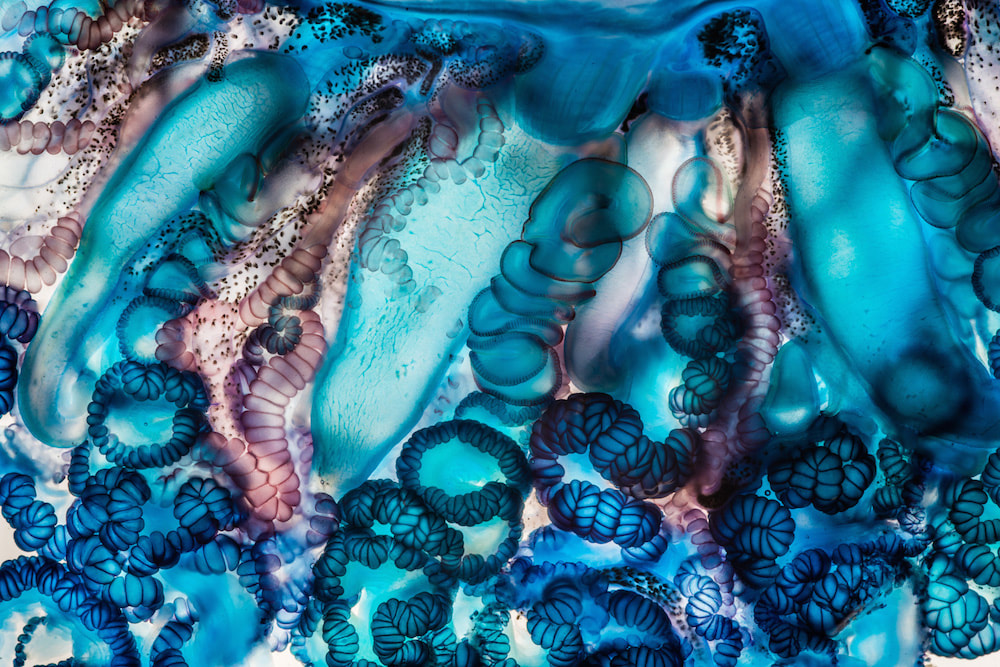
Photos: www.ansarov.com Fascinated with marine life since his days growing up in Central Florida, Aaron Ansarov a retired Navy, focuses on detailed images of Portuguese Man o’ War (Physalia physalis) in his series called “Zooids,” Ansarov photographs the creatures on a homemade light table while alive, then immediately releases them back into the wild where they were found. You can see more of Ansarov’s images on Facebook and Instagram. Source: thisiscolossal.com Fascinado por la vida marina desde que creció en la Florida Central, Aaron Ansarov, un marino retirado, toma imágenes detalladas de las carabelas portuguesas (Physalia physalis) en su serie llamada "Zooids". Ansarov fotografía las criaturas en una mesa de luz hecha en casa, de los animales vivos, después de ser fotografiadas las libera de inmediato en la naturaleza donde fueron encontradas.
Puedes ver más imágenes de Ansarov en Facebook e Instagram. Fuente: thisiscolossal.com 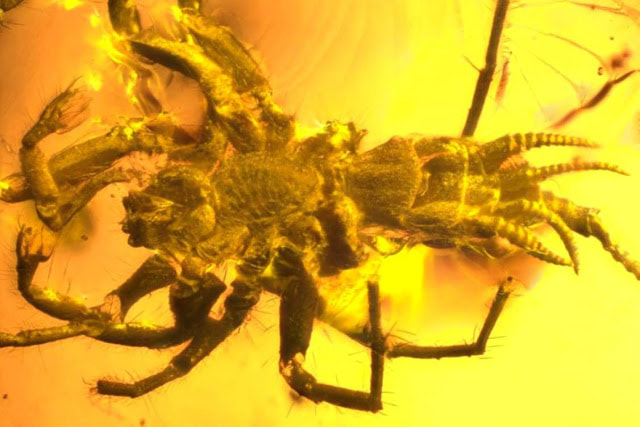 Source: www.geologyin.com A new creature has been discovered in Southeast Asia, two independent teams described four 100-million-year-old specimens encased in amber that look like a cross between a spider and a scorpion. "Arachnids are a group of eight-legged invertebrates that includes scorpions, ticks, and spiders. Spiders, which crawled into existence some 300 million years ago, are known for their spinnerets—modified “legs” that produce silk and control its extrusion from tiny pores called spigots." Despite some differences in the description of these species scientists said that the fossils are from a group called uraraneids, the closest extinct relatives of spiders Source: www.geologyin.com Una nueva criatura fue descubierta en el sudeste asiático, dos equipos independientes describieron cuatro especímenes de 100 millones de años encerradas en ámbar que parecen una cruza entre una araña y un escorpión.
"Las arácnidas son un grupo de invertebrados de ocho patas que incluyen escorpiones, garrapatas y arañas. Las arañas, que se originaron hace unos 300 millones de años, son conocidas por sus espinetas:" patas "modificadas que producen seda y controlan su extrusión desde pequeños poros llamados espigones ". A pesar de algunas diferencias en la descripción de estas especies, los científicos dijeron que los fósiles son de un grupo llamado "uraraneidos", los parientes extintos más cercanos a las arañas. Fuente: www.geologyin.com  www.pocketpalsapp.com 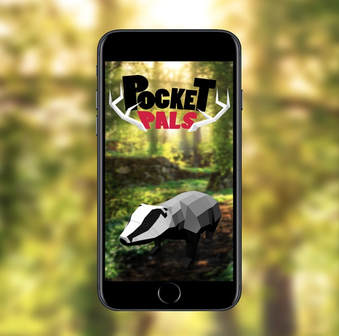 Did you love Pokémon Go? Well, now we get Pocket Pals! but with "real" animals and information about wildlife! Available for Android and iOS users, is an app where you can collect virtual animals and learn about British wildlife. Pocket Pals is an app that connects people with nature through their mobile phone. And if you are lucky enough you might spot the real animal! 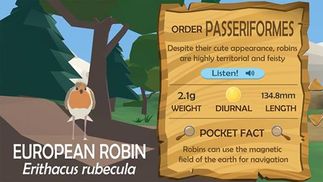 "The app utilises GPS on mobile devices, allowing players to walk and locate digital animals. Through the excitement of exploring and tracking animated animals, users will learn how to identify and classify British fauna, from quirky Pine martens to less known but equally marvellous animals such as the Sunfish."
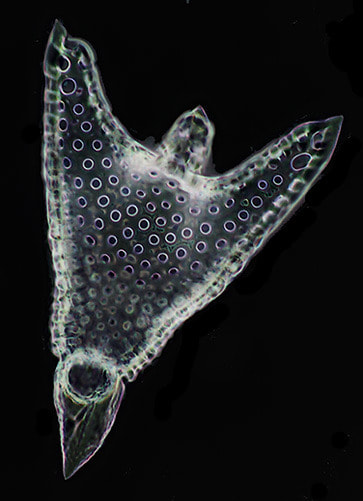
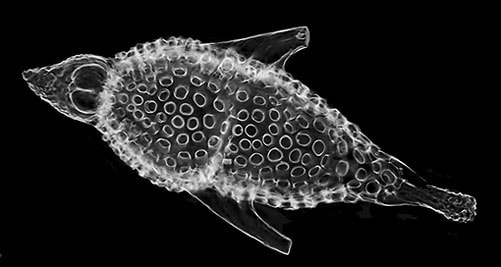
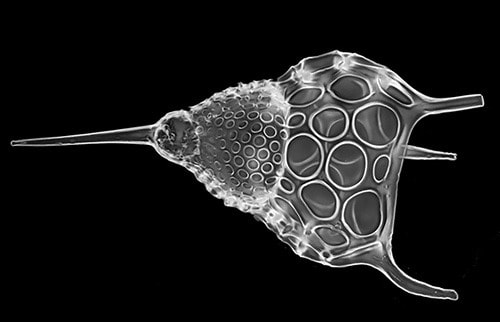
Make sure to download and try this really cool app, even though it's based on British wildlife, you can download it worldwide! Source: www.pocketpalsapp.com Twitter: twitter.com/PocketPalsApp Facebook: https://www.facebook.com/pocketpalsapp/ "Nature's ability to make intricate microscopical structures out of inorganic materials such as silica and calcium carbonate is perhaps one of the most wonderful feats of nature that the microscopy enthusiast can appreciate. Diatom frustules, of course need no introduction, but sponge spicules, radiolaria 'shells' and echinoderm spines are other examples. This is a small selection of 'Nature's structures' under the microscope other than diatoms from the author's modest slide collection." Source: Image Gallery by David Walker, UK "La habilidad de la naturaleza para hacer estructuras microscópicas intrincadas de materiales inorgánicos como el sílice y carbonato de calcio es quizás una de las hazañas más maravillosas de la naturaleza que el entusiasta de la microscopía puede apreciar. Las frústulas diatómicas, por supuesto, no necesitan presentación, pero las espículas de esponja, y las corazas de radiolaria y las espinas del equinodermo son otros ejemplos. Esta es una pequeña selección de 'estructuras de la naturaleza' bajo el microscopio que no sean diatomeas de la modesta colección de diapositivas del autor ". Fuente: Image Gallery by David Walker, UK
|
Blog Archive
|





 RSS Feed
